 12 Everyday Objects You’re Using Wrong (and How to Use Them Right)
Learn the right way to use 12 everyday objects, from knives to microwaves, and turn tiny tweaks into faster, safer, and smarter daily habits.
Think you’ve mastered the basics at home? Plot twist: there are at least a dozen everyday objects that you’re either misusing or straight-up ignoring. From the correct way to pinch kitchen knives to those mystery loops on shopping carts that nobody can figure out, these little life hacks and tweaks will save you time and make you question common sense.
Let’s decode the pasta-spoon hole, fix your microwave hot-cold roulette, and even make your ceiling fan more than just a cooling device for those frosty winter days.
1. The Kitchen Knife “Pinch” Grip
White-knuckle gripping the handle makes big knives feel wobbly and therefore quite dangerous. Instead, pinch the blade with the thumb on one side and the index finger on the other. Then grab the handle with the rest of your palm. You’ll get control, cleaner slices, and fewer “oopsies” to clean up later.
2. The Hole in the Pasta Spoon Has a Job
What’s the purpose of the circle in the middle? It measures roughly one serving (about 2 ounces) of dry spaghetti. Feed uncooked noodles (although seeing someone try to do those measurements with cooked pasta would be hilarious) through until it’s snug, and you’ll stop making “dinner for eight” when it’s just you and Netflix.

3. Those Shopping-Cart Loops Aren’t Decorative
The little metal loops near the kid seat are for hanging reusable bags upright. Eggs, chips, berries, and other delicate stuff stay unsquashed while the heavy things go in the basket. European supermarkets nailed this ages ago; now you can look like a pro too.
4. File Nails in One Direction
Did you know that the back-and-forth “saw” movement frays your nails? Instead, file from edge toward center on one side, then the other, with gentle, single-direction strokes. Finish by smoothing the tip. Stronger nails, fewer splits, happier you.
5. The Right Way to Use Vegetable Peelers
The swivel isn’t just for vibes. Keep the blade on the potato and move back and forth in smooth strokes. You’ll peel faster, waste less, and be less likely to nick yourself because the blade never pops up into “attack” mode. Bonus: great on carrots and cucumbers too.
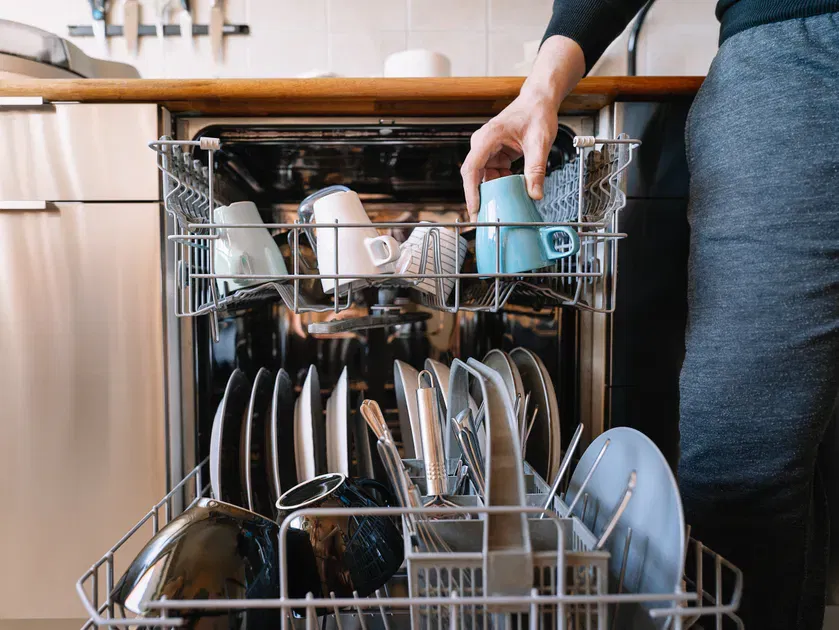
6. Loading the Dishwasher
Avoid trying to balance towers or nest plates as if playing dinnerware Jenga. Faceplates toward the spray arms (usually center) allow each piece breathing room and don’t block the spinner. Cups, plastic, and small bowls go into the top rack, while plates and pans go in the bottom. Mix up the silverware to prevent spoon cuddling. And no, you don’t need a full pre-rinse, as modern machines want a little grime to activate detergents.

7. Microwaves Hate the Center
Food in the middle sits in a “cold zone.” Place your plate off-center so it rides the turntable through hot spots. For leftovers, make a donut—leave a hole in the middle of the food pile for steam to circulate. Stir halfway for best results.
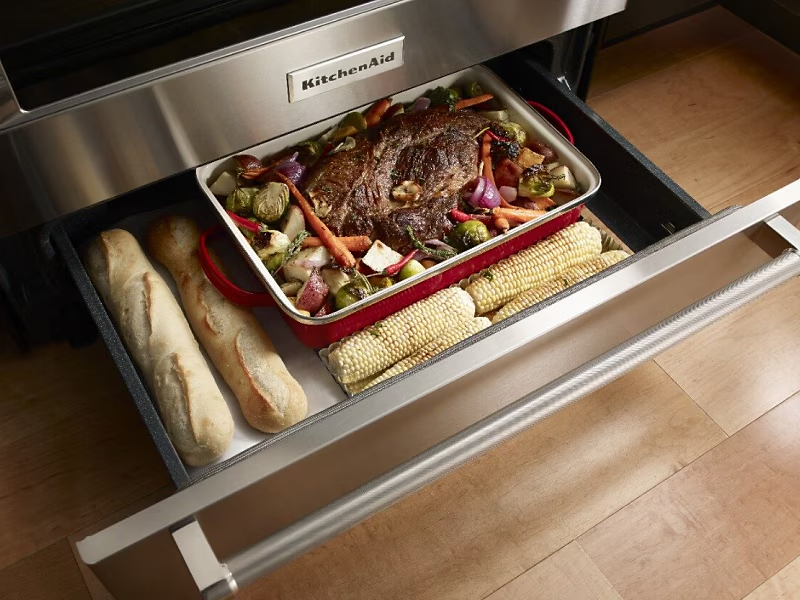
8. Your Oven Drawer Is Not for Junk (Usually)
On many ranges, the drawer below the oven is a warming drawer that’s meant to keep sides cozy while the main dish finishes. On others, it’s a broiler. Check your manual before stashing cookie sheets or, worse, melting a plastic container into modern art. If it’s a warmer, use its heat to hold finished dishes without drying them out.
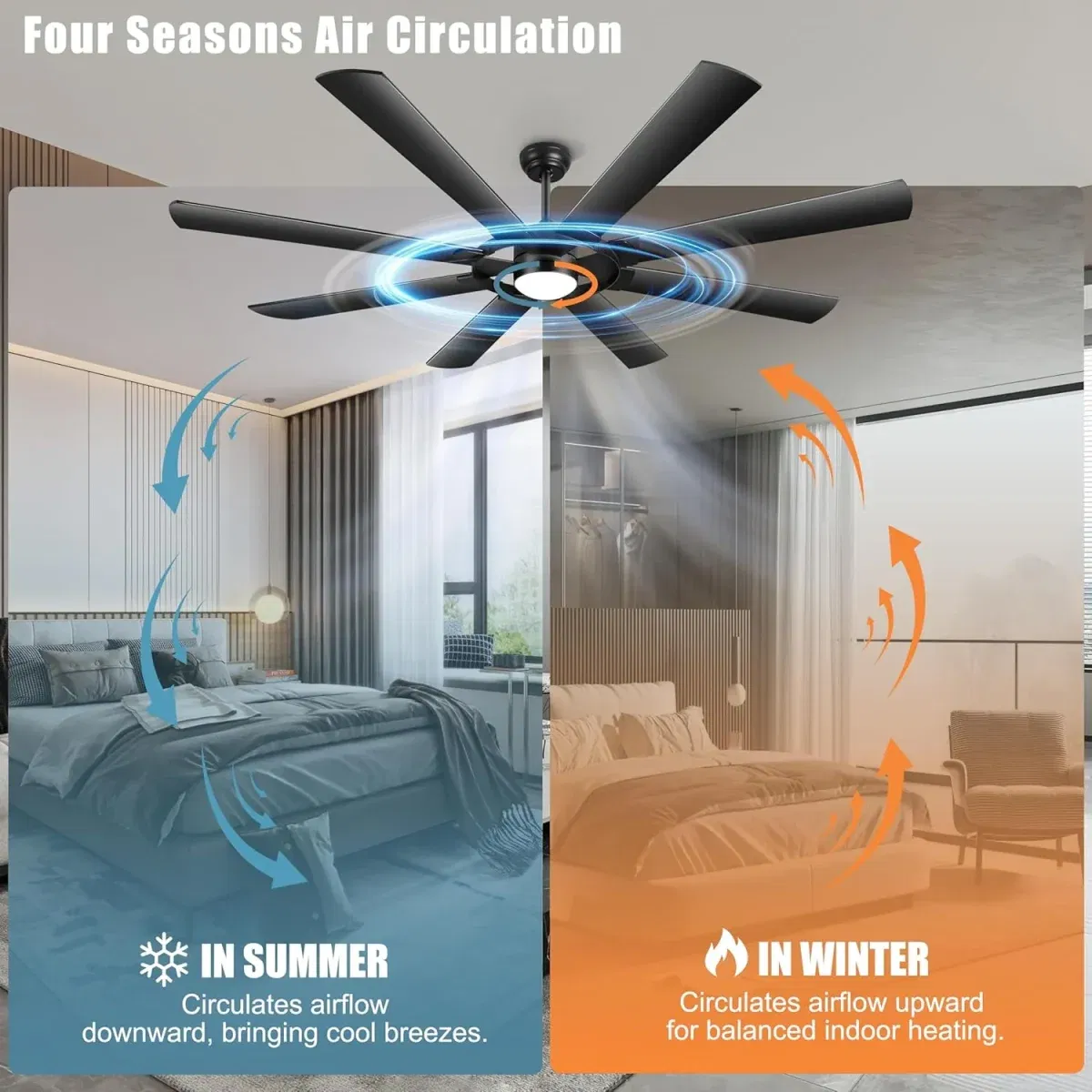
9. Ceiling Fans Have Seasons
Summer = counterclockwise to push air down and create a breeze. Winter = clockwise on low to pull cool air up, gently pushing warm air along the ceiling, down the walls, and back into the room. There’s a tiny switch on the housing. Flip it when you change your clocks, and thank the Internet when the utility bill comes in.

10. Blender Layering Matters
For a smooth blend (and fewer tantrums), load light to heavy: liquids first, then soft stuff (yogurt, greens), then fruits, nut butters, and finally firm items like ice or frozen chunks on top. This pulls ingredients into the blades instead of making a stubborn ice island.

11. Tape Measure: Hidden Superpowers
The tape measure is not just inches marked on a floppy ribbon. Loose hook? That’s on purpose. It slides by the thickness of the hook, so inside and outside measurements both read true. But there’s more to it! The little notch lets you hook a nail or screw to measure solo. The serrated edge can be used to scratch a mark if you don’t have a pencil. And most tape measures use stud spacing, highlighting 16-inch intervals (common stud spacing) in red; the black diamonds mark 19.2-inch intervals used for certain trusses or joists. Now go show ’em you know your stuff!
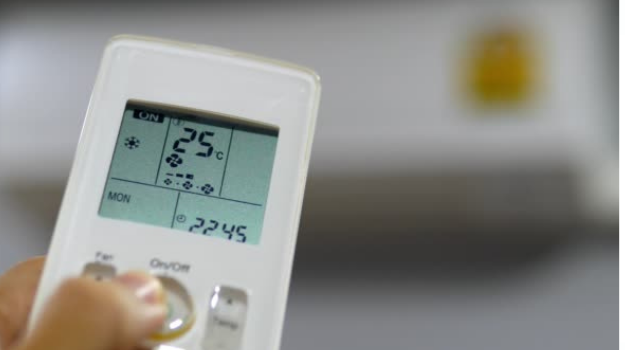
12. Your AC Doesn’t Have a Turbo Button
Cranking the thermostat to 60°F doesn’t cool faster, it just cools longer (and costs you more). Most home units run at one speed: they’ll reach 75°F just as quickly whether you set 75°F or 60°F. Set your real target temp and let it work. Use fans and closed shades to help it along.