 Top 10 Government Conspiracy Theories That Turned Out To Be True
You think spy movies have wild plots? Think again! History is full of stories that sounded too outrageous to be true—until they were proven real. Many “tinfoil hat” theories turned out to be chillingly accurate once declassified documents, whistleblowers, or government hearings brought them to light.
From covert mind-control experiments to secret surveillance programs tracking ordinary citizens, the line between fiction and reality has blurred more than once. Some of the most unbelievable tales—from hidden wartime projects to modern data collection scandals—make Hollywood thrillers look tame. So before you roll your eyes at the next conspiracy theory, remember: sometimes, the truth doesn’t just stretch imagination—it breaks it.
Here are ten real-life cases that prove the world of espionage, secrecy, and manipulation can be far stranger than anything dreamed up on screen.
1. Operation Paperclip
Right after World War II, the United States quietly recruited hundreds of top German scientists, many of whom had ties with the Third Reich, and put them to work on American projects. Why eliminate evil genius brains when you can harness their potential “for the greater good”? The goal was to beat the pesky Soviets in all sorts of scientific fields, from rocketry to tech. The ethics surrounding this secret program are quite complicated, but it significantly advanced U.S. science and space ambitions, demonstrating that “learn from your enemies” was not merely a proverb; it was an actual policy.
2. The Heart Attack Gun
A what-attack gun? That sounds like some cheesy comic-book villain gear: a device that fires a tiny toxin-tipped dart designed to mimic a natural cardiac arrest. However, the testimony and demonstrations reveal that this intriguing and deadly device first emerged in the 1970s. The concept was not centered on Hollywood drama, but rather on ensuring plausible deniability. If the target “dies of a heart attack,” who’s going to check for a pinprick?
3. Project Mockingbird
When CIA “Family Jewels” documents surfaced decades later, they confirmed operations that included wiretapping U.S. journalists to track national security leaks. Even though the aim was to locate sources, not run the entire media, it showed just how far officials were willing to go when stories crossed the line from uncomfortable to “classified.” For reporters covering defense, it wasn’t just pressure; it was surveillance.

4. The Dalai Lama & the CIA
Did you know that the Dalai Lama’s close circle worked with the CIA during the Cold War to support Tibetan resistance to China? Oh, you thought it was just one of those things a crazy person would say, huh? Well, it turns out that such an arrangement fit America’s anti-Communist strategy nicely, even if the Dalai Lama himself had no clue what was going on. After Nixon’s 1972 trip to Beijing, the program faded out. It’s one of those “only during the Cold War” alliances that sound unbelievable until they’re documented.
5. The Surveillance State
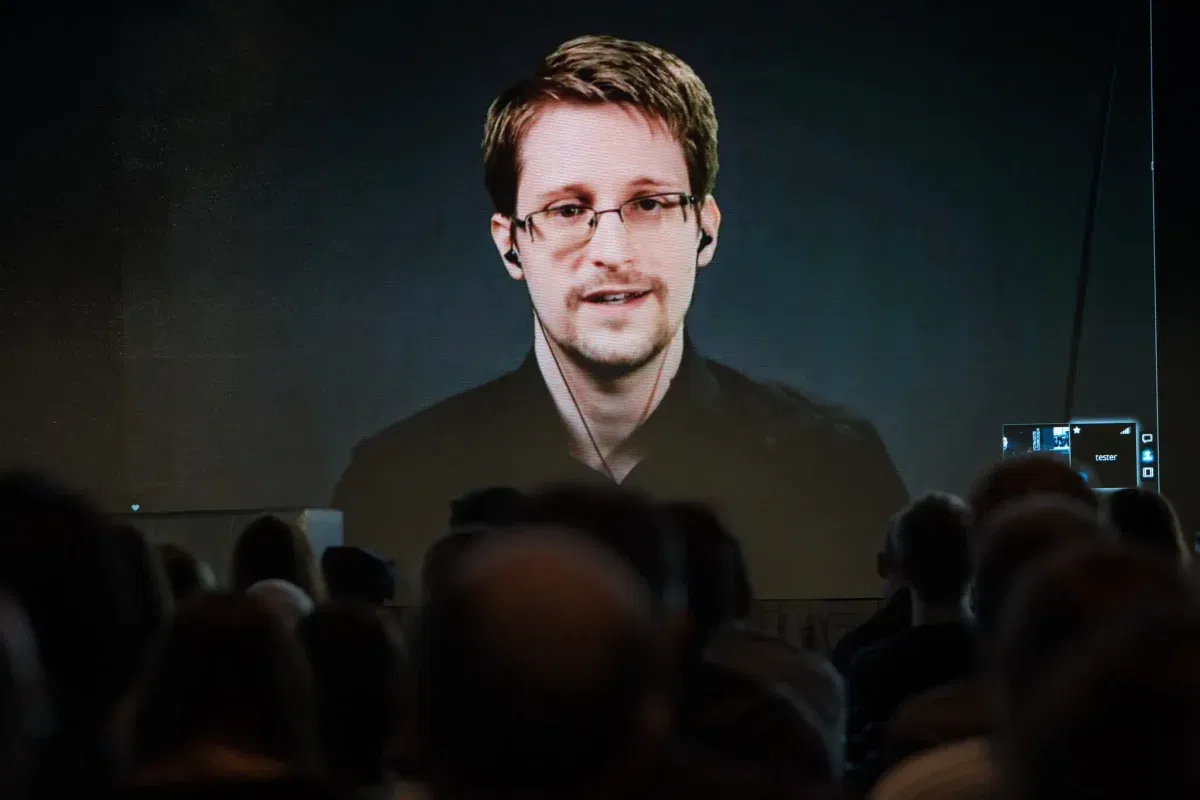
Edward Snowden’s 2013 leaks didn’t start the rumors; they confirmed it. The NSA and partner programs were collecting massive amounts of data, like metadata, private messages, discrete location trails, etc., on an almost industrial scale. Overnight, privacy went from nerdy niche to kitchen-table topic, and we all learned our phones are basically tracking devices that happen to make calls.

6. Tech Espionage (a.k.a. Data Requests & Brokers)
The Electronic Frontier Foundation has long flagged how governments request user data from big tech in the tens of thousands. Meanwhile, data brokers buy and sell our clicks, purchases, and movements like they’re common Pokémon trading cards. Apple, Google, Meta—you name it—all of them file official requests daily without even blinking an eye. And then all those conspiracy theory junkies living in the middle of the woods, yelling “They’re watching us through our apps!” landed uncomfortably close to reality.

7. COINTELPRO
Not rumor, not exaggeration: the FBI’s counterintelligence program infiltrated and disrupted groups deemed “subversive,” from civil-rights leaders to anti-war activists. Tactics included wiretaps, harassment, planted stories, and attempts to discredit targets personally. Even Martin Luther King Jr. had his phone tapped as officials tried to undermine his credibility.

8. Watergate
A break-in at the DNC offices in the Watergate complex led to a political upheaval characterized by cover-ups, hush money, and ultimately, the resignation of a sitting U.S. president. If modern scandal fatigue dulls the shock, remember how unprecedented it was in the 1970s. Watergate cemented the idea that no one, no matter how powerful, is above scrutiny, and it permanently changed the already tense relationship between the press and the presidency.

9. Project MK-Ultra
Indeed, the CIA conducted mind-control experiments using LSD and other substances on individuals who did not give their consent or even realize they had received a dose. The program targeted prisoners, psychiatric patients, and others with little power to push back, chasing techniques for interrogation, manipulation, and “truth serums.” Many files were destroyed in the ’70s, but enough survived to confirm the reality behind the rumor. It’s the reason that the words “MK-Ultra” still send a shiver.

10. Targeted Assassinations
The 1975 Church Committee revealed conspiracy plots and classified programs the public had only whispered about, like political meddling, assassination discussions, and the previously mentioned battery-powered dart device designed to simulate natural death, aka the Heart-Attack Gun. Over time, that weapon became a staple in conspiracy circles. Still, the underlying point is the real headline: covert lethal plans were contemplated, prototyped, and sometimes green-lit. So who’s “crazy” now?